- Lyria 3 Pro generates songs up to three minutes long with complete structure and detailed section control.
- The model is integrated into Gemini paid, Google Vids, ProducerAI, Vertex AI, AI Studio and the Gemini API.
- Google ensures training with licensed content, no direct cloning of artists, and a SynthID watermark on all tracks.
- The tool is aimed at both content creators and European companies looking for original audio on a large scale.
In a few weeks, Google has gone from showing a simple audio experiment Gemini is launching a much more complete composition tool. Lyria 3, the base model, debuted generating snippets of just 30 seconds; with Lyria 3 Pro, the company It now allows you to create entire, structured songsdesigned to be used in real projects and not just as a technological curiosity.
The novelty isn't just in lengthening the audio. With this version, AI better understands how a modern song is "assembled".The intro, verses, chorus, bridges, and transitions can be described in the prompt for the system to build. a coherent piece from beginning to end, similar to others AI music with text and audioThe result is a model that targets both content creators in Europe and studios and companies that need original music on a large scale.
From Lyria 3 to Lyria 3 Pro: from test clips to full songs
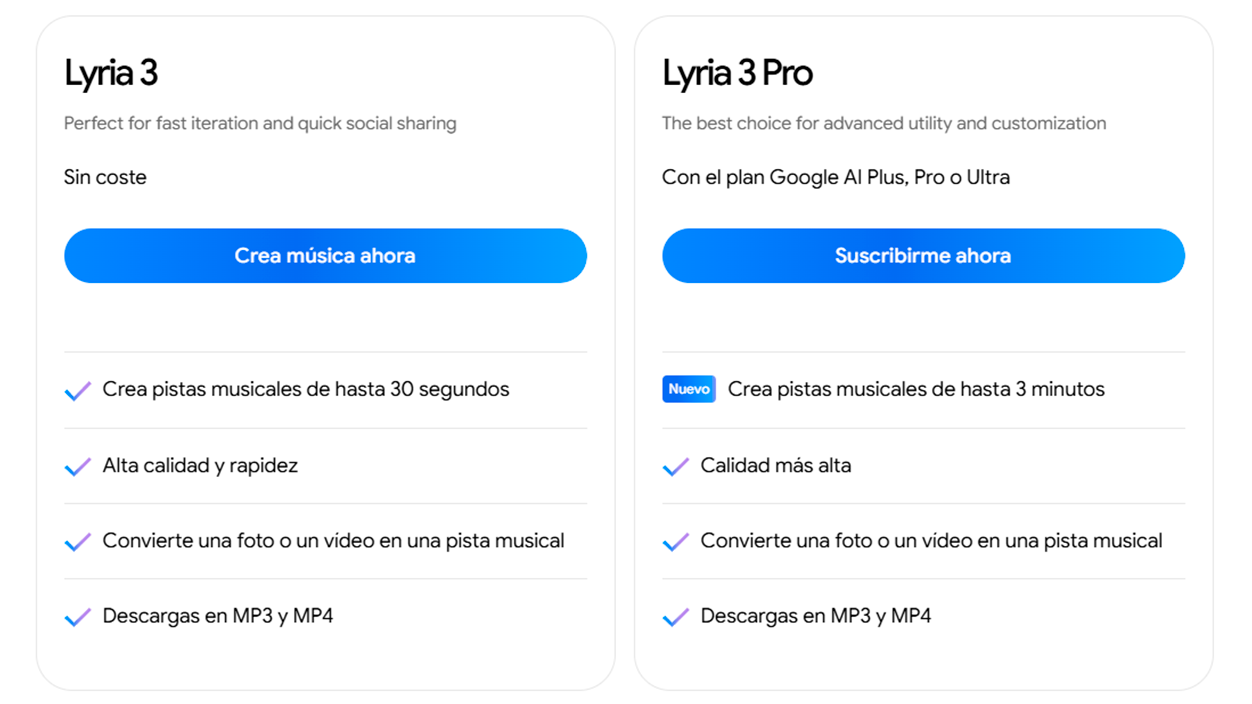
The first version, Lyria 3 arrived in February integrated into the Gemini app as a still experimental feature. It allowed users to generate tracks of about 30 seconds from text, images, or even video, and added cover art automatically created using the Nano Banana system. It was useful for quick sketches, but too short to support a full song.
With Lyria 3 Pro the jump in battery life is remarkableThe length increases from half a minute to nearly three minutes per track, roughly six times longer. This is enough to create a piece with a beginning, middle, and end, bringing it closer to the song format used in videos, podcasts, or presentations.
This increase in length is accompanied by a significant change in the understanding of musical structureWhile Lyria 3 generated a continuous block of sound, the new version interprets distinct sections. The user can explicitly request a soft introduction, several verses, a more intense chorus, or a transition bridge, and the model distributes the content according to that design.
In practice, this makes the tool something closer to a AI-assisted composition than a simple loop generator. AI doesn't just fill seconds of audio: it organizes the material to create progression, changes, and a certain musical narrative.
Google has also highlighted the possibility of adjust details such as style, tempo, voice type, or atmosphere directly in the prompt, so that the same basic idea can be reinterpreted in a pop, electronic, ambient style or even with cinematic touches, depending on the needs of the project, just like models such as Suno AI v3.
Creative control, detailed structure and practical uses
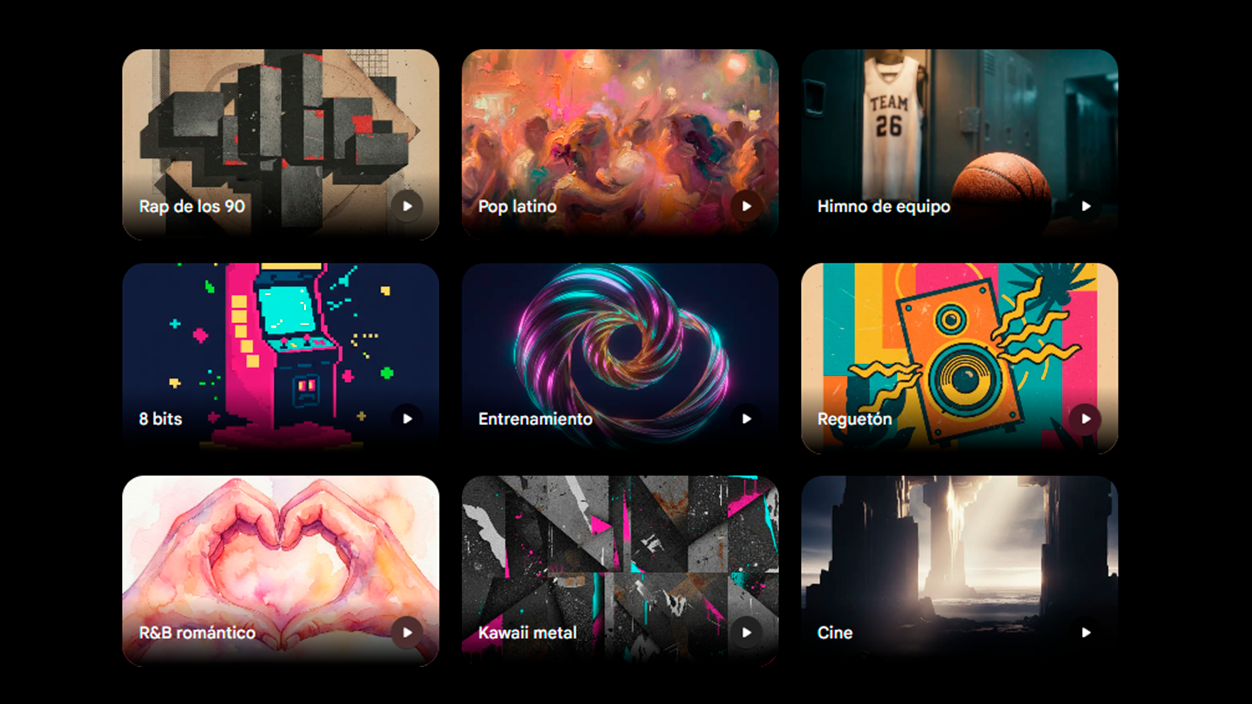
One of the areas where the Lyria 3 Pro stands out most from other models is in the meticulous control over the structureThe system allows you to define, through text, how the sections should be linked: approximate duration of the intro, how many verses you want, when the first chorus comes in, or how the ending should sound.
In developer environments, such as AI Studio, Google even offers usage modes where... build the song “block by block”by selecting sections and their intensity. This opens the door to more refined soundtracks for YouTube videos, marketing campaigns, corporate presentations, or educational content.
Lyria 3 Pro also supports multimodal conditioningNot only can text prompts be used, but also images or video clips as references so that the track reflects the visual mood. For European creators working with social media, ads, or short pieces, this It allows you to quickly adjust the musical tone to the aesthetics of the project.as well as integrating with tools such as Real-time Riffusion.
Another new feature for technical profiles is the coexistence of two variants: Lyria 3 Pro, focused on songs of about three minutesand Lyria 3 Clip, optimized for quickly generated, high-volume 30-second clips. Both are available in preview via the Gemini API, making it easy to integrate them into third-party tools or automated workflows.
During development, Google collaborated with musicians and producers to test the model. Examples mentioned include: Yung Spielburg, who used Lyria in the soundtrack of the Google DeepMind short film “Dear Upstairs Neighbors”...or DJ and producer François K, who is working with the company on a track created with the system, in addition to examples such as the AI-generated bandBeyond the showcase, these tests serve to refine behavior, blending nuances, and response to complex indications.
Copyright, artists and SynthID watermark
In a market particularly sensitive to intellectual property, Google insists that Lyria 3 Pro has only trained with materials for which it has usage rightsThis choice aims to reduce legal friction, especially in territories like the European Union, where the debate surrounding model training is intense. This includes agreements with partners, original content, and permitted YouTube data.
The company emphasizes that The model does not clone specific artists.If the user mentions a name at the prompt, the system treats it as a broad stylistic reference, without reproducing a recognizable voice or sound signature. This aims to maintain a certain distance between inspiration and direct copying, an issue of concern to both record labels and rights management organizations in Europe.
To strengthen transparency, All tracks generated with Lyria 3 and Lyria 3 Pro include the SynthID digital watermarkThis identifier is not perceptible to the ear, but remains even after normal conversions and compressions, making it easy to detect if a file comes from Google's AI.
This tagging approach is in line with other recent moves in the industry. Platforms like Spotify and Deezer have announced tools for identify AI-generated music and review misuse of artists' names. Google's bet on SynthID aims to coexist with this verification ecosystem on streaming services and social networks.
Along with the technical measures, the company assures that The model incorporates filters to prevent the literal reproduction of existing contentThis is another common criticism in the field of automated music generation. The combination of stylistic limitations and traceability seeks, at least on paper, a balance between creative experimentation and respect for human creators.
Availability in Gemini, Vertex AI, and enterprise tools
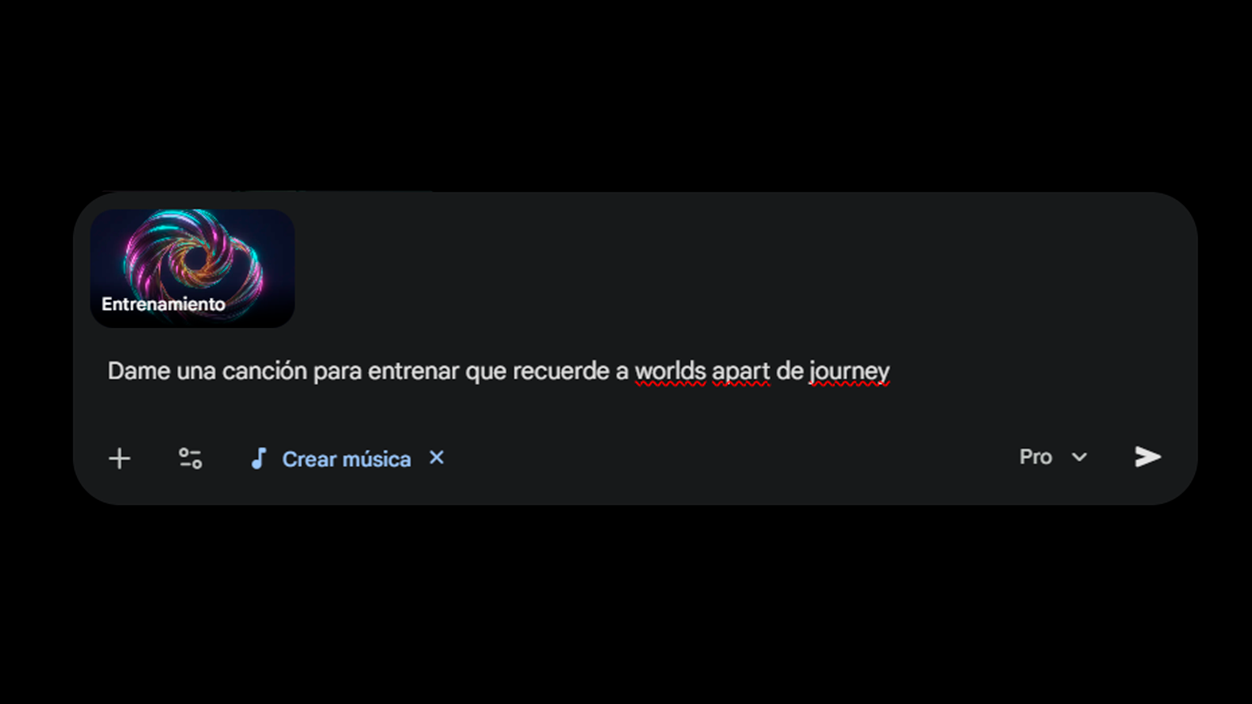
Regarding its market launch, Lyria 3 Pro It is being rolled out across several products in the Google ecosystem.On the consumer front, the key element is the Gemini app, where the model allows users to request songs using text, images, or videos. However, access to longer tracks is currently restricted to paying subscribers.
Daily usage limits depend on your Google AI subscription plan. As a guideline, it's generally considered to be plans like AI Plus, Pro or Ultrawhich allows you to generate from about ten to about fifty tracks per day. For now, users with free accounts are limited to the 30-second version based on the standard model.
In the professional sphere, Lyria 3 Pro is available in Vertex AI in public previewIt's a platform designed for companies that want to integrate AI models into their products. This is particularly relevant for European video game studios, creative agencies, and audiovisual platforms that want to offer original music without relying on traditional catalogs.
In addition, developers can access the model through Google AI Studio and the Gemini APIThis also includes Lyria 3 Clip and real-time models like Lyria RealTime. From there, it's possible to build applications that generate on-demand audio, automate soundtrack templates, or create B2B tools for third parties.
Google is also integrating music generation into Google Vids, its AI-powered video solutionand in ProducerAI, specifically geared towards music production workflows. This combination reinforces the idea of an ecosystem where script, image, and music can be produced within the same technological environment.
Impact for creators in Spain and Europe
For those working with digital content in Spain or other European countries, the arrival of Lyria 3 Pro means a clear reduction in production costs and times When it comes to finding background music or quick mockups, a single user can generate several alternatives for the same video, campaign, or presentation in a matter of seconds.
Small production companies, animation studios, marketing agencies or independent creators who publish on European platforms This gives them room to experiment without having to resort from the outset to paid commercial catalogs or widely used stock libraries, and they can take advantage of AI-powered music labs.
At the same time, the model also proposes obvious challenges in terms of content saturation and competition with human jobsIf it becomes increasingly easy to fill minutes of music with AI, it will be more difficult to stand out without providing clear added value, whether in originality, a unique sound, or integration with image and narrative.
In the European regulatory environment, where legal frameworks for generative AI are being defined, experiences like Lyria 3 Pro will serve as a litmus test. The use of licensed training data, the mandatory watermark and restrictions on imitating artists These will be key elements when assessing whether it meets future transparency and accountability requirements.
In any case, the tool is shaping up to be a powerful ally for prototyping musical ideasto generate backing tracks or inspire more elaborate compositions, provided it is used judiciously and consideration is given to how it fits into the region's labor and creative landscape.
With this move, Google places Lyria 3 Pro at the center of its commitment to AI-generated music: a model capable of creating complete songs with a recognizable structure, integrated throughout its product ecosystem and surrounded by control measures such as SynthID and style filters, which can be especially useful for creators and companies in Spain and Europe looking for new ways to produce audio without losing sight of the legal and artistic implications.


I am a technology enthusiast who has turned his "geek" interests into a profession. I have spent more than 10 years of my life using cutting-edge technology and tinkering with all kinds of programs out of pure curiosity. Now I have specialized in computer technology and video games. This is because for more than 5 years I have been writing for various websites on technology and video games, creating articles that seek to give you the information you need in a language that is understandable to everyone.
If you have any questions, my knowledge ranges from everything related to the Windows operating system as well as Android for mobile phones. And my commitment is to you, I am always willing to spend a few minutes and help you resolve any questions you may have in this internet world.