- The 2026 memory crisis has driven up the price of RAM and storage, sinking demand for new PCs after an artificial peak in 2025.
- The end of Windows 10 support and fears of price increases led to early purchases, creating a sales gap between 2026 and 2028.
- Manufacturers like Lenovo, HP, Dell, and Samsung are prioritizing mid-range and high-end models, with more expensive equipment and, in many cases, less memory.
- The pressure of artificial intelligence on data centers is shifting the shortage to televisions, mobile phones, consoles, and gaming hardware.

The call memory crisis of 2026 It has gone from being a warning from analysts to a reality already being felt in the wallets of millions of users. What began as a price increase in RAM modules and storage chips has become a structural problem that affects the entire PC ecosystem and the consumer electronics market.
In just a few months, the sector has gone from expecting an unexpected sales surge by 2025 to forecasting historic lows until at least 2028Meanwhile, manufacturers, distributors, and users are trying to adapt to a scenario in which almost everything that carries memory —computers, consoles, televisions or mobile phones— tends to become more expensiveand in which the industry's priority is no longer the domestic consumer, but artificial intelligence and data centers.
From the sales boom in 2025 to the slowdown due to the memory crisis in 2026
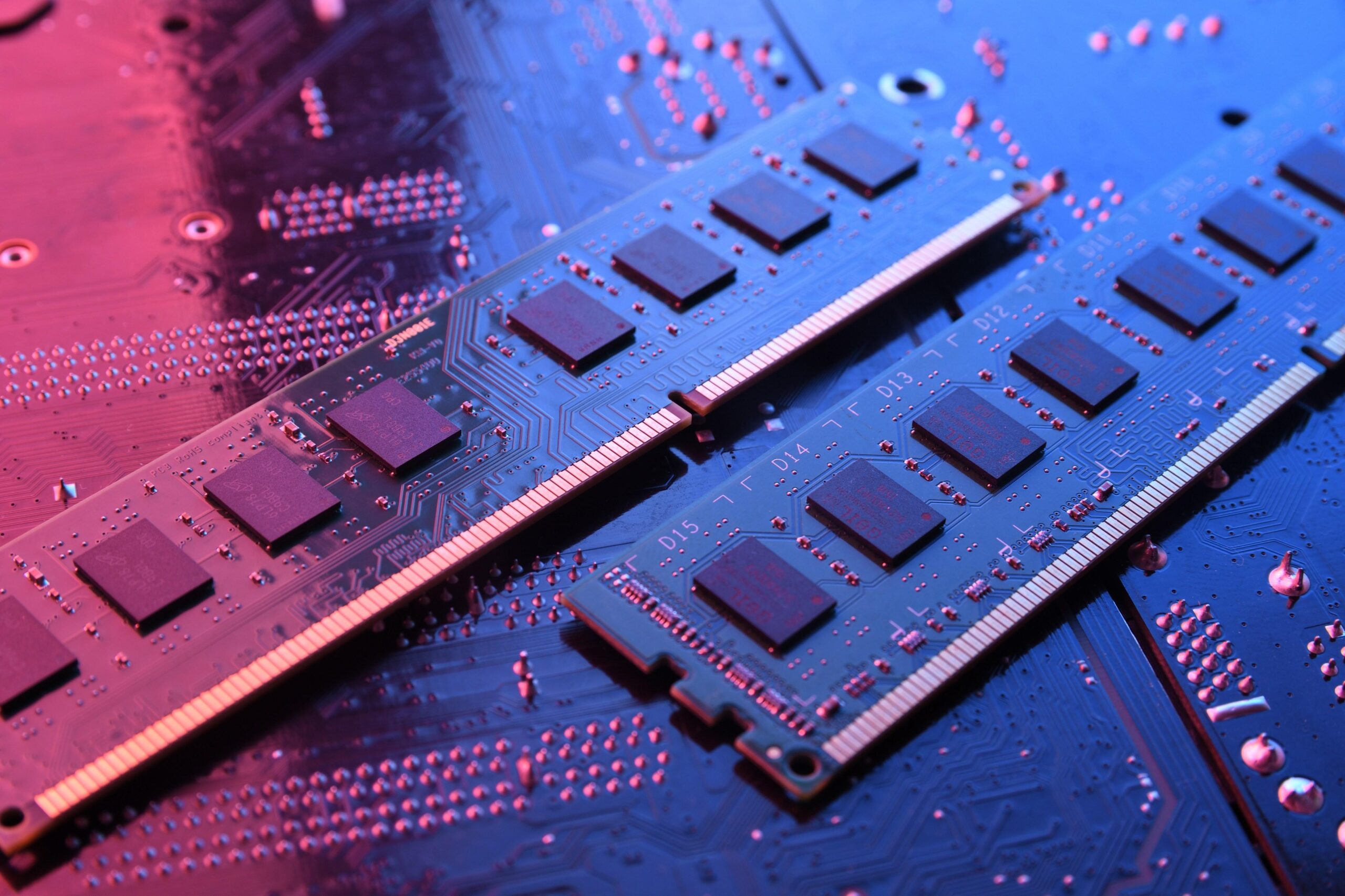
Paradoxically, the global PC market reached 2026 with recent positive figures: during the last quarter of 2025, computer sales grew about 10% according to industry data. However, this apparent boost concealed a very specific phenomenon: a wave of advance purchases to avoid rising prices for RAM and storage.
In many teams, the RAM memory began to become incredibly expensive....to the point of costing the same as, or more than, a complete entry-level computer. Faced with this situation, a significant number of home users and gamers decided not to take the risk and brought forward their purchase of a new PC to the end of 2025, even though they might not need it immediately.
This funnel effect meant that the fourth quarter of 2025 was particularly dynamic, while the start of 2026 is shaping up to be a much slower period. Many users who upgraded their equipment during that window now realize that, had they waited until 2026, they would have had to pay more. prices are clearly higher for machines with less memory installed as standard.
The impact of the memory crisis is not limited to the home user: supply chain strain, inventory shortages, and tariff volatility have created an environment in which 2026 is anticipated to be a A very unstable year in terms of prices and availability, with a particular impact in Europe and other large markets where distributors try to ration stock.
Windows 10, tariffs, and fear of being left behind: the perfect cocktail

The strong growth in PC sales by the end of 2025 cannot be understood without a key factor: the Windows 10 end of supportWith the gradual withdrawal of security updates and official support, many companies and individuals in Spain and the rest of Europe saw the ideal time to renew their computer fleet.
This jump from Windows 10 to Windows 11 This came with an additional incentive: the pressure of the memory crisis. Taking advantage of the operating system upgrade Upgrading to a new computer seemed like a logical decision, especially given the fear that RAM and storage prices would continue to climb in 2026. For many, it was now or never.
This context was compounded by concerns about possible Tariffs and trade tensions between the United States and Chinawhich threatened to make electronic components even more expensive. Although the measures mainly affected global trade routes, their potential impact on Europe created a climate of uncertainty that prompted more consumers to bring forward their purchases.
The result was a kind of "bottleneck" in demand: businesses, SMEs, and households renovated ahead of schedule, leaving a gap that will be difficult to fill in 2026 and 2027. In this new scenario, the industry practically takes it for granted that there will be one or two years with particularly low sales...while waiting for the next generation of processors and graphics cards to revitalize the market among high-spending gamers.
Meanwhile, those who didn't jump on the bandwagon in 2025 now face a less than appealing outlook: more expensive devices, less memory capacity in some models, and a market that prioritizes mid-range and high-end options over the more affordable ones. affordable entry options.
The big manufacturers emerge stronger… but they change their strategy
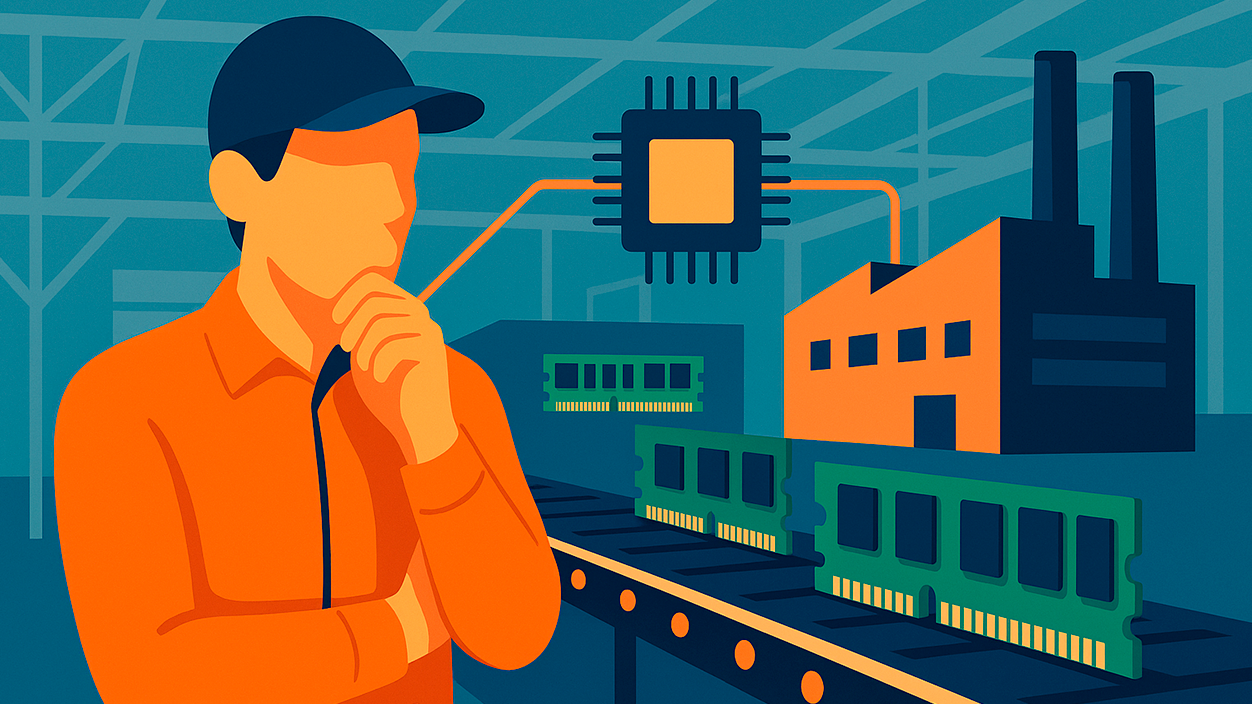
The peak in sales at the end of 2025 significantly benefited major PC manufacturers. Brands such as Lenovo, HP and Dell They were at the forefront in terms of the number of units shipped, with tens of millions of units distributed throughout the year, ahead of other players such as Apple or ASUS.
Globally, Lenovo solidified its position as the largest PC vendor in 2025, closely followed by HP, with Dell completing the top three. Apple and ASUS, while lagging behind in total volume, also registered significant growth. significant growth in their shipments, driven by the wave of renewal prior to the 2026 memory crisis.
With the arrival of the new year, the picture changes. Analysts predict that fewer computers will be sold in 2026, but the total market value will be higher due to rising prices. Manufacturers, aware that volume will no longer be their best ally, are redirecting their efforts towards segments where the margins are more attractive.
That translates into a clear focus on mid-range and high-end products, both on desktop computers and on laptopswhere it's easier to justify the increased cost of memory and other components. The more affordable models, which traditionally served as an entry point for many users, are at risk of be relegated or arrive with reduced RAM and storage to contain costs.
In some Asian markets the pressure is so great that it has even become It's difficult to find second-hand computers at reasonable prices. Although the impact in Spain and the European Union is less in this respect, the global trend points to a progressive increase in the price of hardware, both new and used, as the memory crisis spreads.
Artificial intelligence takes over the memory and puts pressure on the home user
Behind the memory crisis of 2026 there is no single culprit, but there is a clear protagonist: the rise of artificial intelligence and data centersLarge cloud service providers and technology companies are snapping up a significant portion of global memory production to power AI models and high-performance computing platforms.
This reorientation of supply is causing chip manufacturers to prioritize high-volume contracts for servers and data centers over the consumer market. Some companies, according to their executives, are gradually reducing their exposure to the consumer segment. focus almost entirely on memory allocated to AI.
This strategic shift has visible consequences: Less availability for conventional PCs, laptops, consoles, and other devices, and a price increase that is passed almost directly on to the stores.Users in Europe and Spain, who until a few years ago benefited from fierce competition and competitive prices, now find themselves with a less aggressive offering and much more restrained promotions.
The imbalance also affects the planning of new releases. Many hardware manufacturers are revising schedules and specifications to ensure they will have access to enough memory, even if that means launch more expensive products or cut capabilities with respect to what was initially planned.
In this context, it is no coincidence that the sector takes it for granted that 2026 and 2027 will be transition yearsThe hope is that, from 2028 onwards, the situation will normalize with new production plants, adjustments in AI demand and a possible price correction, although there are no guarantees of returning to previous levels.
From PCs to the living room: TVs, mobile phones and consoles also pay the bill
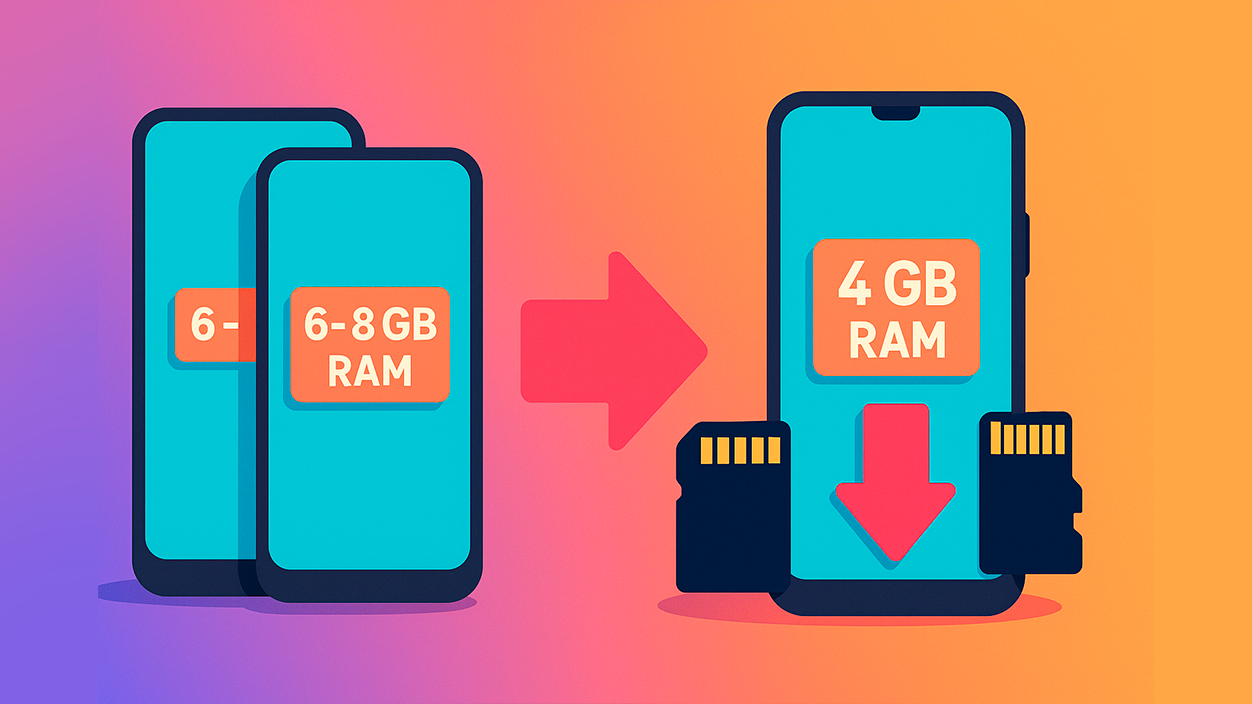
The memory shortage in 2026 isn't limited to desktop PCs or work laptops. According to executives at major manufacturers, the The price increase will also affect televisions, mobile phones, and other devices. key to digital leisure and gaming.
Executives from companies like Samsung have warned that The rising cost of memory and certain semiconductors will inevitably lead to an upward price adjustment in much of its product range.This includes not only high-end televisions, but also more basic models, as well as smartphones and tablets intended for everyday use.
For European gamers, this means the total cost of enjoying their hobby can skyrocket: not only does the price of a PC or console rise, but so does the price of... screens and mobiles used for gamingA good TV for the living room or a monitor with gaming specifications are becoming more serious investments than they were a few years ago.
Meanwhile, there is speculation that companies like Sony, Microsoft, and Nintendo will be forced to Adjust upwards the prices of consoles like PlayStation 5, Xbox Series X|S or the next generation of devices, to absorb the increase in internal costs. The pressure also extends to hybrid products and dedicated PC gaming hardware, which are already experiencing price increases.
Mobile gaming is not immune either. With smartphones becoming increasingly powerful and geared towards gaming, the rising cost of memory directly impacts the final price of these devices. This could slow the rate at which phones are replaced in many households, especially in countries like Spain where the Buying unlocked mobile phones is the norm and any increase is immediately noticeable.
How are the big tech companies moving in the midst of the memory crisis?
Amid this scenario, major manufacturers are trying balance their betsOn the one hand, they want to take advantage of the rise of artificial intelligence; on the other, they cannot completely abandon the consumer market, which remains an essential source of revenue and brand visibility.
In the consumer electronics sector, some companies have made it clear that they will expand their AI-based features into mobile phones, televisions, and other devices, which in turn demands more memory and more processing powerThis strategy, while attractive from an innovation standpoint, further increases the pressure on the supply chain.
Internally, companies are working with partners and suppliers to try to minimize the impact of the crisis, renegotiating contracts, diversifying sources, and adjusting their forecasts. Even so, the general feeling is that some of the consequences are unavoidable. selective price increases, specification cuts, or staggered releases to adapt to the actual availability of components.
Analysts agree that the PC and electronics sector in Europe will have to get used to a different dynamic than that of the last decade, at least for a while: less price war, longer update cycles and greater segmentation between users who can keep up with innovation and those who will choose to extend the lifespan of their devices as much as possible.
Everything suggests that the memory crisis of 2026 will mark a turning point in the relationship of users with everyday technology: More expensive computers, consoles and mobile phones under pressure, televisions that are no longer so affordable and a market in which artificial intelligence, more than a flashy extra, becomes the great engine that determines what is manufactured, at what price and for whom.

I am a technology enthusiast who has turned his "geek" interests into a profession. I have spent more than 10 years of my life using cutting-edge technology and tinkering with all kinds of programs out of pure curiosity. Now I have specialized in computer technology and video games. This is because for more than 5 years I have been writing for various websites on technology and video games, creating articles that seek to give you the information you need in a language that is understandable to everyone.
If you have any questions, my knowledge ranges from everything related to the Windows operating system as well as Android for mobile phones. And my commitment is to you, I am always willing to spend a few minutes and help you resolve any questions you may have in this internet world.