- The persistence of inactive profiles increases the attack surface for cybercriminals and data leaks.
- There are manual methods and automated tools to track the digital trail left in emails and social networks.
- The European legal framework GDPR grants the right to be forgotten, facilitating the deletion of personal data in recalcitrant services.
- Anonymization is the safest alternative when a platform does not allow the permanent closure of the account.

It's probably happened to you: years ago you registered on a forum to resolve a specific question or opened an account on a social network that no one remembers anymore. Over time, we accumulate a huge amount of forgotten digital profiles that remain there, floating in the network, without us realizing that they are still active.
The problem is that these accounts aren't just harmless memories; they're veritable open doors for hackers. By saving personal information and credit cards On sites we no longer visit, we are leaving our privacy exposed to any security breach the company may suffer, making us easy targets for identity theft.
Why is it dangerous to keep inactive accounts?
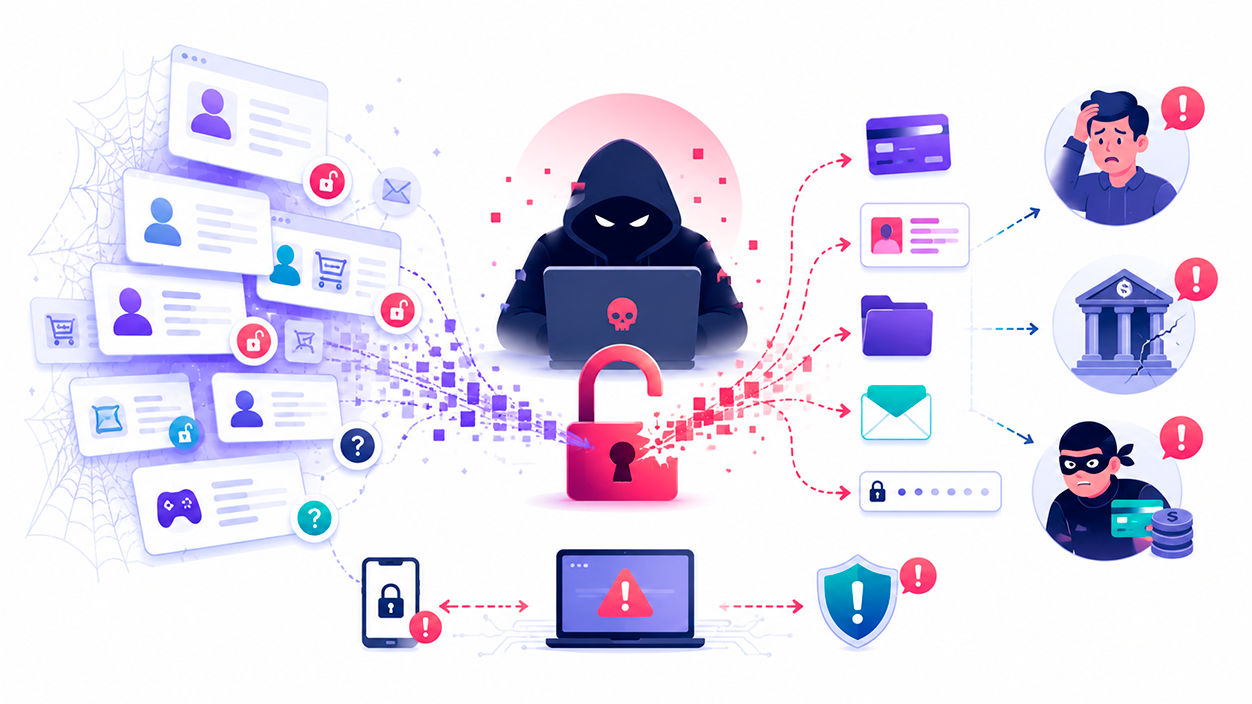
Leaving your old accounts active is like leaving your house key in the lock of a door you no longer use. If the service is attacked, your passwords and security questions They could end up on the dark web, making it easier for someone to access your current accounts if you've reused the same password.
Furthermore, criminals can use the data from these old profiles to impersonate you or commit financial fraud. Even outdated recovery emails can be a weak point, because if an attacker gains control of an old account, they could try to reset the passwords for your active services.
Strategies for tracking your forgotten profiles
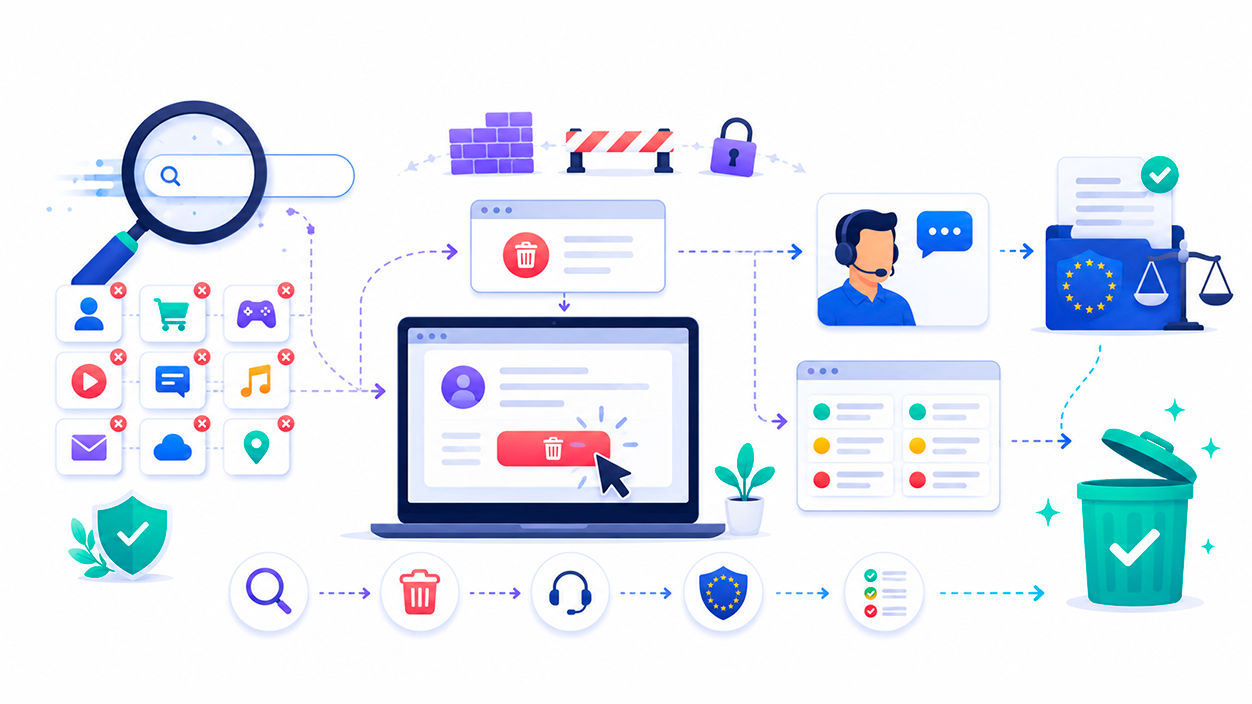
If you want to clean up your online activity but can't remember where you registered, you have two options: detective mode or using specialized technology. For the manual approach, the most effective method is... check your inbox from your email looking for terms like "welcome", "verify account" or "free trial", which are typical welcome messages.

Another very useful tactic is to take a look at the connected account settings on Google, Facebook, or Twitter. Many people use the "Sign in with…" button, so in the privacy settings of these giants, you can see a list of all the third-party applications that have access to your profile, allowing you to... remove gmail links to social media accounts.
If you prefer something faster, there are password managers that save your login history or tools like Bitdefender Digital Identity ProtectionThis tool scans your emails to tell you exactly where you have accounts. It's also advisable to run your email through portals like "Have I Been Pwned" to see which leaks you've appeared in and thus remember services you'd forgotten about.
How to permanently delete your accounts
Once you have your list of sites to close, the battle begins, as many websites will try to put every possible obstacle in your way to prevent you from leaving. The easiest thing to do is use the search engine and type in the service name next to the words "close account" or "delete profile" to find the direct route, as happens if you want to know How to delete Google accounts.
If you can't find the delete button, don't give up and contact the [relevant support team/support team] directly. customer serviceIf you are a resident of the European Union, you have a very powerful card up your arm: the General Data Protection Regulation (GDPR)Specifically, the right to be forgotten, which obliges companies to delete your data if you formally request it.
To make your life easier, there are directories like JustDelete.mewhich tell you how easy or difficult it is to delete an account on thousands of websites, classifying them by color according to the complexity of the process, whether to know How to delete TikTok accounts or e-commerce profiles.
What to do when it's impossible to delete the account
Some websites are absolute nightmares and offer no closure option. In those cases, the best thing to do is anonymize the profileThis involves going into the settings and deleting absolutely everything that identifies you: real name, date of birth, address and, above all, any payment or credit card information.
A master trick is to change your email address to a temporary or fake account (using services like Mailinator). This way, even though the account technically still exists, the information it contains is worthless and cannot be used by an attacker to track you or steal your personal data.
Having a minimalist digital footprint is the best defense against today's threats. By being more selective with your records and dedicating time to clean up our obsolete tracesWe drastically reduce the possibility of suffering phishing attacks or identity theft, ensuring that our virtual life is much safer and more organized.

Index